Reviewing Mylar Sweet Seahorses for Business Merch
As an embroidery designer who has spent years translating digital concepts into tangible brand identity, I approach every new digital embroidery file with a critical eye. It is not just about whether a design looks cute on a screen; it is about how it performs under the needle, how it elevates a handmade product, and whether it serves the commercial needs of my clients. Recently, I evaluated the Mylar Sweet Seahorses collection, a set that promises whimsy and versatility. For small business owners, Etsy sellers, and boutique creators, understanding the practical application of these designs is crucial before investing in production.
First Impressions: Whimsy Meets Professional Potential
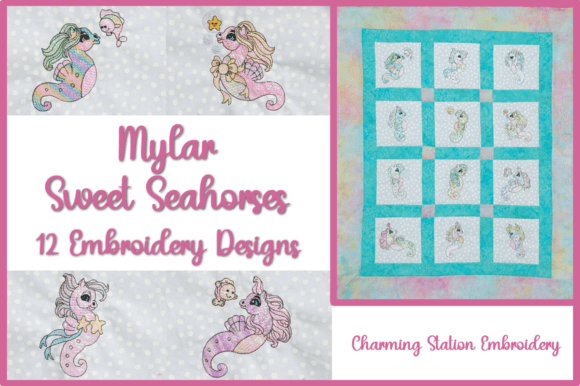
The title Mylar Sweet Seahorses immediately suggests a playful, decorative aesthetic. The description notes that this set includes 12 whimsical little seahorse designs optimized for use with Mylar. This optimization is a significant detail for professionals. Mylar, or metallic foil, adds a premium, reflective finish that can transform a standard stitch into a standout feature. However, working with Mylar requires precision. The fact that these designs are specifically optimized for this material suggests they have been engineered with appropriate spacing and density to prevent foil tearing or excessive puckering.
Visually, seahorses fall under the Fish category, but their silhouette offers more than just marine accuracy. They provide a curved, organic shape that is inherently friendly and approachable. For a brand looking to project warmth, creativity, or a connection to nature, these designs strike a balance between elegant and playful. They do not feel overly rustic or aggressively modern; instead, they occupy a sweet spot of classic charm that appeals to a broad demographic, from parents buying baby items to adults seeking unique accessories.
Real-World Applications for Small Business Merch
When I consider small business merch, I look for designs that can adapt across various substrates. The Mylar Sweet Seahorses collection offers twelve distinct variations, which is a strategic advantage. This variety allows for cohesive yet diverse product lines. Here is how I envision these designs performing in real commercial scenarios:
- Embroidered Patches: These seahorses are ideal for die-cut or merrowed edge patches. The whimsical nature makes them perfect for adding to denim jackets, backpacks, or tote bags as a removable brand accent.
- Custom Apparel and Uniforms: For cafes, florists, or pet brands, a small seahorse embroidered on the chest pocket of an apron or work shirt adds a touch of personality without overwhelming the professional look. The Mylar element can catch the light, drawing attention to the brand logo or name placed nearby.
- Cap Embroidery: Curved surfaces like baseball caps require designs that are not too wide. A single, small seahorse from this set could serve as a charming side-panel detail or a subtle front-center accent, provided the stitch count is manageable.
- Tote Bag Design: Canvas totes are a staple for boutique merchandise. A larger version of one of these seahorses, perhaps combined with custom lettering, creates a high-value item that customers are proud to carry.
- Baby and Home Goods: The description mentions these would make a darling quilt or nap mat. For makers in the nursery niche, these designs are ready-made bestsellers. They can be used as appliqué centers or standalone embroidered motifs on soft fabrics.
Navigating Technical Challenges in Commercial Embroidery
While the aesthetic appeal is strong, a professional review must address technical limitations. Using Mylar introduces specific challenges. If you are new to commercial embroidery with foil, you must test these files rigorously. The "optimized" claim is promising, but every machine and fabric combination reacts differently.
One area to watch is stitch density. Designs intended for Mylar often have open areas to allow the foil to show through, but if the density is too low on certain fabrics, the backing may show. Conversely, if the density is too high, the Mylar may shred during the stitching process. I recommend running test stitches on scrap fabric identical to your final product. Pay close attention to the thread colors you choose. High-contrast threads can define the seahorse shape, while monochromatic threads let the Mylar shine as the primary visual element.
Additionally, consider the hoop size and placement. For small patch sizes, ensure the details of the seahorse do not become lost. Intricate tails or fins might merge if scaled down too far. Always check the design at 100% scale on your monitor before hooping. For items that undergo frequent washing, such as staff uniforms or baby nap mats, verify that the Mylar adheres properly and that the stabilizer used is sufficient to prevent distortion over time.
Enhancing Brand Identity and Customer Trust
In the world of custom apparel and handmade goods, consistency is key to building trust. The Mylar Sweet Seahorses collection can play a pivotal role in visual consistency. By using the same design family across different products—such as a patch on a tote, an emblem on an apron, and a motif on a gift tag—you create a recognizable brand language. This repetition helps customers identify your products instantly.
Furthermore, the use of Mylar signals a higher level of craftsmanship. It tells the buyer that care was taken in selecting materials and techniques. This perceived value can justify higher price points for your finished product. Whether you are creating event merch for a beachside festival or branded assets for a local bakery, the unique texture of Mylar sets your work apart from standard thread-only embroidery.
Practical Designer Notes for Implementation
Before launching any campaign with these designs, follow this checklist to ensure professional results:
- Test in Black and White: Convert the design to grayscale in your software to check for contrast and clarity. If the shape is not distinct without color, it may not read well at a distance.
- Verify Licensing: Confirm the commercial licensing terms included with the embroidery file. Ensure you are permitted to sell physical items made with these designs.
- Create a Printable Mockup: Use digital tools to place the seahorse on images of your actual products. This helps in marketing and client approval before you stitch a single thread.
- Select the Right Stabilizer: Mylar work often benefits from a cut-away stabilizer for durability, especially on stretchy fabrics. Test different weights to find the best balance between support and hand-feel.
- Check Fabric Texture: Rough textures can interfere with Mylar adhesion. Smooth cottons, polyesters, and twills generally yield the best results for this type of Embroidery.
In conclusion, Mylar Sweet Seahorses offers a versatile and charming option for designers looking to add a touch of whimsy and premium flair to their portfolio. By respecting the technical requirements of Mylar and strategically applying these designs across your product line, you can enhance your brand identity and deliver high-quality, memorable merchandise to your customers.