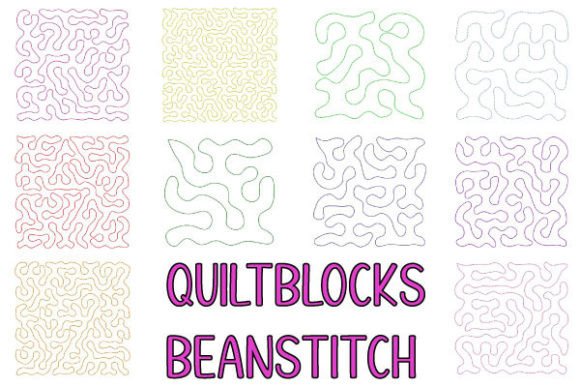
Review: Quiltblock Patterns 3.8“ 98 Mm for Small Business Merch
As an embroidery designer who has spent years digitizing and testing files for commercial use, I approach every new machine embroidery design with a critical eye. It is not just about whether the pattern looks pretty on a screen; it is about how it performs on fabric, how it holds up in the wash, and most importantly, how it serves a brand’s identity. Recently, I evaluated the Quiltblock Patterns 3.8“ 98 Mm set to determine its viability for small business merchandise, branded patches, and custom apparel. This review focuses on the practical application of these designs in a professional setting, moving beyond hobbyist quilting into the realm of commercial branding.
First Impressions: A Blend of Tradition and Precision
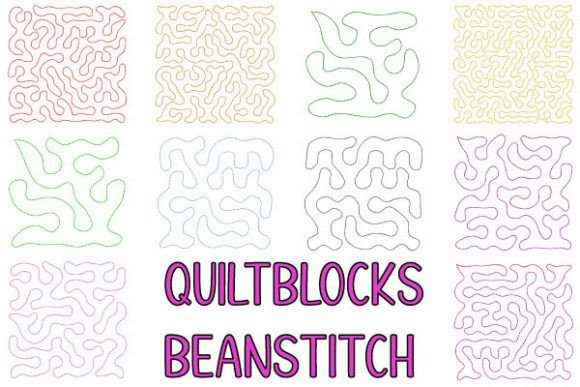
The Quiltblock Patterns 3.8“ 98 Mm collection immediately strikes a balance between rustic charm and modern precision. The description highlights that each design is stitched using the triple bean stitch technique. For those unfamiliar, this technique involves stitching the same line three times before moving to the next, creating a bold, raised texture that mimics hand-quilting but with the consistency of machine work. Visually, this gives the designs a substantial weight, making them feel premium rather than flat.
In the context of brand identity, these patterns evoke feelings of warmth, craftsmanship, and reliability. They are not overly ornate or delicate, which makes them versatile. They feel friendly yet professional, suitable for businesses that want to project a handmade, artisanal vibe without sacrificing clarity. Whether you run a boutique bakery, a local florist, or a creative studio, these geometric yet organic shapes can serve as excellent visual anchors for your brand assets.
Real-World Applications for Small Business Merch
The true test of any digital embroidery file is its versatility across different products. Here is how I envision the Quiltblock Patterns 3.8“ 98 Mm performing in real-world commercial scenarios:
- Embroidered Patches: At 3.8 inches (98 mm), these designs are ideally sized for standard patches. The triple bean stitch provides enough density to create a durable edge and interior fill, making the patch robust enough for jackets, bags, and hats. They work exceptionally well as standalone branded elements for Etsy sellers looking to add a unique touch to their packaging.
- Apron Embroidery: For cafes and bakeries, staff uniforms are walking advertisements. Placing one of these quilt block patterns on the chest or lower corner of an apron adds a subtle, sophisticated detail. The geometric nature of quilt blocks aligns perfectly with the structured look of professional kitchen wear.
- Cap Embroidery: While 3.8 inches is slightly large for a standard front-panel cap logo, it works beautifully as a side-panel accent or on unstructured dad hats where the fabric can accommodate the spread. The bold lines ensure the design remains visible even when the cap is worn and slightly curved.
- Tote Bag Design: Canvas tote bags are a staple for retail brands. These patterns provide a striking central motif that breaks up the monotony of plain fabric. The depth created by the bean stitch adds a tactile element that customers appreciate, increasing the perceived value of the handmade product.
- Product Packaging Accents: Smaller versions or simplified elements from these blocks can be used on tissue paper seals or hang tags, creating a cohesive visual language across all customer touchpoints.
Technical Considerations and Fabric Compatibility
While the aesthetic appeal is strong, technical execution is paramount in commercial embroidery. The triple bean stitch technique, while beautiful, introduces specific challenges regarding stitch density and fabric interaction.
Because the design relies on repeated passes of thread, it creates a heavier stitch count than a simple satin or running stitch. This means you must be mindful of the fabric texture and weight. On lightweight fabrics like thin cotton or silk, the design may cause puckering if not properly stabilized. I strongly recommend using a cut-away stabilizer for garments that will undergo frequent washing, such as staff uniforms or daily-use tote bags. For patches, a heavy-duty tear-away or water-soluble topping can help manage the pile and keep the stitches clean.
Additionally, consider the hoop size constraints. At 98 mm, the design requires at least a 4x4 or 5x7 hoop, depending on your machine’s capabilities. Always confirm that your equipment can handle the dimensions without re-hooping, which can lead to alignment issues. When working with dark uniforms, ensure you select high-contrast thread colors. The intricate depth of the bean stitch shines best when there is a clear distinction between the thread and the base material.
Enhancing Brand Identity and Customer Trust
In today’s market, consumers crave authenticity. Using a design like Quiltblock Patterns 3.8“ 98 Mm signals that a business values quality and detail. It moves away from generic, mass-produced aesthetics and toward a curated, thoughtful presentation. This enhances customer trust and recognition. When a client receives a tote bag or wears an apron with such a distinct, textured emblem, it reinforces the perception of the brand as premium and artisanal.
Furthermore, these designs contribute to visual consistency. If your brand uses geometric shapes or traditional motifs in its logo or web design, incorporating these embroidery patterns into your physical merchandise creates a seamless omnichannel experience. It turns everyday items into memorable design assets that keep your brand top-of-mind.
Designer Notes: Best Practices for Production
Before launching these designs into your production line, follow these practical steps to ensure a flawless finished product:
- Test in Black and White First: Before committing to expensive colored threads, stitch out the design in black thread on white fabric. This allows you to inspect the spacing, density, and overall shape without the distraction of color. It helps identify any potential registration issues.
- Check Scalability: While 3.8 inches is the provided size, test how the design holds up if you need to scale it down slightly for smaller items like pocket logos. Ensure the triple bean stitch does not become too dense and cause needle breakage or fabric distortion.
- Create a Printable Mockup: Use digital mockups to show clients or stakeholders how the embroidery will look on different items. This manages expectations and aids in approval before you start stitching.
- Verify Licensing: Always confirm the commercial licensing terms of the embroidery file. Ensure you have the right to use the designs for selling physical goods, especially if you are producing items for third-party clients.
- Compare with Other Assets: Place the stitched sample beside your existing branding materials. Does it complement your logo? Does it clash with other patterns? Consistency is key to a professional appearance.
Final Verdict
The Quiltblock Patterns 3.8“ 98 Mm set is a robust addition to any embroidery designer’s library, particularly for those serving small businesses and artisanal brands. Its strength lies in the triple bean stitch technique, which offers a unique texture and durability that stands out in the crowded marketplace of custom apparel and accessories. While it requires careful attention to stabilization and fabric choice, the resulting quality elevates the perceived value of any item it adorns. For shops looking to differentiate their merchandise with a touch of classic elegance and modern craftsmanship, these patterns are a worthwhile investment.
Remember to always check the specific file formats and exact stitch counts provided by the vendor to ensure compatibility with your machines. With proper testing and execution, these designs can become a cornerstone of your brand’s physical presence, turning simple items into cherished keepsakes for your customers.