Circle Flowers: A Designer’s Review for Craft Fair Success
As an embroidery designer who has spent countless weekends behind a booth table, I know that not every design translates into a bestseller. Some look beautiful on a screen but vanish in person. Others are so complex they tie up your machine for hours, killing your profit margin. When I first loaded the Circle Flowers machine embroidery design into my software, I was looking for that sweet spot: visual impact, production efficiency, and broad appeal. This review breaks down how this specific pattern performs when turned into real-world craft fair products.
First Impressions: Versatility Meets Modern Charm
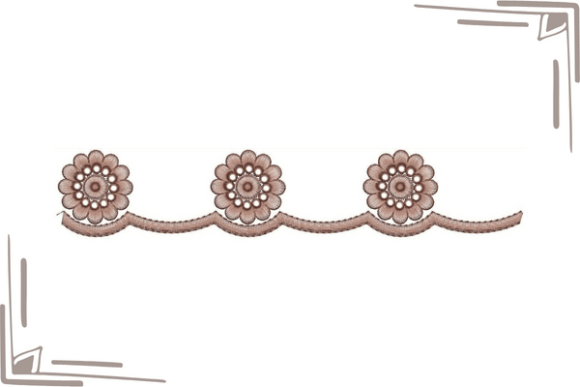
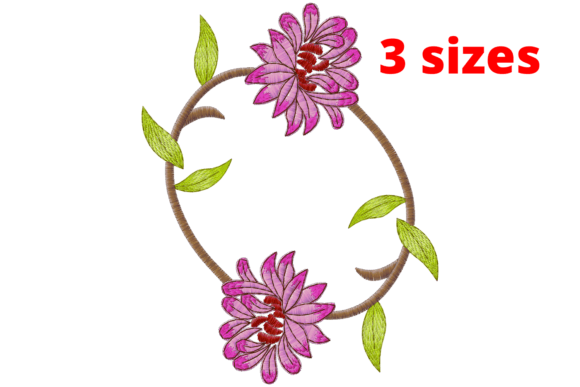
The immediate takeaway from Circle Flowers is its adaptability. The title suggests a geometric yet organic aesthetic, blending the softness of floral motifs with the structure of circular composition. In the context of Bouquets and general Embroidery trends, this design feels neither strictly rustic nor overly modern. It sits comfortably in a "modern farmhouse" or "contemporary boutique" lane. This is crucial for sellers because it does not alienate customers who prefer minimalism, nor does it bore those who love detailed decor. It feels decorative and premium without being ostentatious.
For a craft fair seller, this versatility is a goldmine. You are not pigeonholed into selling only to one demographic. The design reads as elegant enough for home decor but playful enough for accessories. It creates a cohesive brand look whether you are targeting bridesmaids’ gifts or everyday kitchen upgrades.
Product Application: Where Circle Flowers Shines
To truly evaluate a digital embroidery file, you must visualize it on tangible goods. I mentally staged a booth display using Circle Flowers across several high-turnover items. Here is how it performs on key small shop products:
- Tote Bags and Market Bags: This is arguably the strongest application. A tote bag offers a large, flat canvas where the circular symmetry of the design can breathe. As a tote bag design, it acts as a focal point. Customers walking past a booth notice bold, centered graphics immediately. The design’s balance ensures it looks intentional and professional, elevating a simple canvas bag into a desirable accessory.
- Aprons and Tea Towels: Kitchen textiles are staple craft fair items. For apron embroidery, placing Circle Flowers on the bib or the lower corner adds a touch of handmade quality that mass-produced items lack. On tea towel embroidery, the design works well as a hem accent. However, you must consider fabric texture. Thick waffle-weave towels may obscure finer details, so testing on smooth linen or cotton is essential.
- Embroidered Patches and Caps: If the design scales down well, it becomes a fantastic embroidered patch. Patches are low-cost, high-margin impulse buys. On curved cap surfaces, however, caution is needed. Circular designs can distort if the hoop tension is not perfect or if the cap material is too stiff. It works best on unstructured dad hats rather than rigid snapbacks.
- Pillow Covers and Home Decor: For larger hoop sizes, this design makes a stunning centerpiece for pillow covers. It adds visual appeal to neutral living spaces, making it a strong candidate for higher-priced finished products.
Production Practicality and Batch Efficiency
From a business owner’s perspective, time is money. A design that looks great but takes four hours to stitch is rarely viable for a high-volume craft fair product. While the exact stitch count and file format details are not provided in the brief description—stating only that it comes with multiple embroidery file formats for multiple machines—I can infer some practical considerations based on the visual nature of circular floral patterns.
Generally, circular designs require careful attention to stitch density. If the center of the flower cluster is too dense, it can cause puckering, especially on lighter fabrics like those used for bedsheets or lightweight clothes. Conversely, if the petals are too sparse, the fabric might show through, reducing the perceived value. As an experienced designer, I advise running a test stitch-out on scrap fabric identical to your final product. Check the back of the embroidery as well; excessive thread buildup can make garments uncomfortable to wear.
Batch production is where Circle Flowers likely excels. Because the design is contained within a defined shape, it is easier to hoop consistently compared to sprawling, irregular patterns. Consistency is key for Etsy sellers and boutique makers who need every item to look uniform. Whether you are creating a set of matching napkins or a run of tote bags, the repeatability of this design supports efficient workflow.
Visual Appeal and Customer Engagement
In a crowded marketplace, your booth display must stop traffic. Circle Flowers aids in this by providing a recognizable, friendly shape. Human eyes are drawn to symmetry and organic forms. When displayed on a variety of thread colors, the design demonstrates range. For example, stitching it in earthy tones appeals to the rustic crowd, while vibrant neons attract a younger, modern demographic. This flexibility allows you to create diverse design assets for your printable mockup listings online.
Photography is another critical factor. Circular designs photograph exceptionally well because they frame themselves naturally. For your Etsy listings or social media promotion, a close-up shot of the embroidery highlights the texture and craftsmanship. This perceived handmade quality justifies a higher price point. Customers are not just buying a towel; they are buying the artistry represented by the precise stitches of the Circle Flowers motif.
Careful-Use Notes and Technical Considerations
While the potential is high, there are pitfalls to avoid. Always verify the recommended hoop size before purchasing or producing. If the design is large, it may not fit standard 4x4 hoops, requiring you to invest in larger frames or multi-position hooping techniques. Additionally, confirm commercial licensing terms. The description notes it can be used for various items, but explicit permission for commercial embroidery sales should be verified in the full license agreement included with the download.
Pay close attention to thread contrast. On dark fabric, ensure your thread colors pop. On textured towels, avoid tiny details that might get lost in the weave. If the design includes small lettering or intricate centers, it may lose clarity at smaller sizes. Always create at least one real mockup on the actual garment type you intend to sell. A design that looks crisp on a stabilizer-backed test square might behave differently on a stretchy t-shirt or a thick denim jacket.
Final Verdict for the Handmade Entrepreneur
Circle Flowers is a strong contender for any embroidery business looking to expand its product line. It balances aesthetic appeal with practical application. It works beautifully as a statement piece on tote bags and home decor, while also serving as a charming accent on smaller accessories. For the craft fair seller, it offers the visual punch needed to attract attention and the versatility to appeal to a wide audience. By carefully managing stitch density, selecting the right stabilizer, and confirming file compatibility, you can turn this digital embroidery file into a consistent revenue stream. It is a design that respects the maker’s time while delivering a premium finished product that customers love to take home.