Reviewing 365 Black History for Embroidery Projects
As an embroidery designer who spends countless hours digitizing and stitching, I am always on the lookout for designs that carry weight—both visually and emotionally. When I came across 365 Black History on Creative Fabrica, I paused to consider its potential beyond just a digital download. In our industry, we often talk about stitch counts and thread colors, but the soul of a machine embroidery design lies in its message and how it translates to fabric. This review explores whether this specific Awareness category product is ready for your next commercial project or personal creation.
First Impressions and Visual Mood
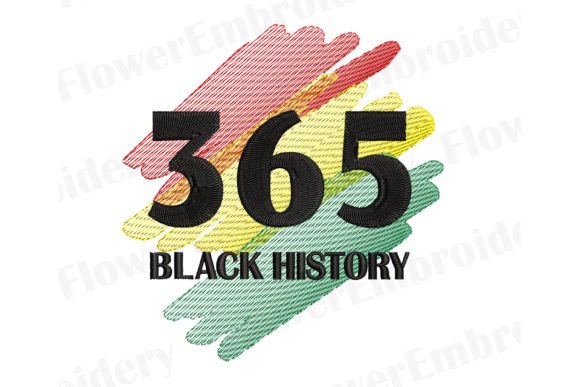
The immediate appeal of 365 Black History is its empowering tone. It is not merely decorative; it serves as a statement piece. For designers looking to add a cool and accent to their portfolio, this design offers a distinct personality. The visual mood is bold yet respectful, making it suitable for a wide range of applications. When evaluating any embroidery file, I look for clarity in the digitizing. Does the design rely too heavily on dense fills, or does it use smart running stitches to maintain flexibility? While the specific stitch breakdown requires inspection of the actual file, the preview suggests a balance that works well on various textiles.
This design fits naturally into the current demand for meaningful apparel. It is not just about aesthetics; it is about representation. For Etsy sellers and small business owners, offering products that resonate with cultural pride can significantly boost customer engagement. The design’s structure appears versatile enough to handle different thread palettes, allowing you to customize the look for your brand.
Real-World Application Scenarios
Let us move from theory to practice. Imagine you have a pending order for a custom tote bag or a batch of sweatshirts for a community event. How does 365 Black History perform in these real-world scenarios?
- Custom Apparel: On t-shirts and hoodies, this design can serve as a focal point. The key here is placement. Centered chest embroidery often looks best with medium-sized designs, while larger back prints require careful attention to stitch density to prevent puckering.
- Tote Bag Design: Canvas bags are sturdy and handle embroidery well. This design could anchor a whole collection of eco-friendly merchandise. The texture of canvas complements the tactile nature of thread, enhancing the handmade product feel.
- Sweatshirt Embroidery: Fleece and cotton blends are popular for winter wear. However, they are thick. You must ensure your machine can handle the layers without skipping stitches. This design’s potential to stand out on dark fabrics makes it ideal for navy or black hoodies.
- Embroidered Patch: If you sell patches, this design could be stitched on twill and cut out. Patches allow customers to apply the message to items they already own, expanding your market reach.
For those creating personalized gifts, such as baby blankets or nursery decor, consider the softness of the message. While this design is empowering, ensure the scale is appropriate for smaller items. A large, dense design on a delicate baby blanket might feel heavy, so scaling down or using lighter thread weights could be necessary adjustments.
Technical Considerations for Stitching
Before loading the digital embroidery file into your machine, there are critical technical steps to take. As experienced crafters know, a beautiful preview does not always guarantee a smooth stitch-out.
Fabric and Stabilizer Choice
The success of any commercial embroidery project depends on stabilization. For stretchy fabrics like jersey knits used in t-shirts, a cut-away stabilizer is non-negotiable to prevent distortion over time. For woven fabrics like aprons or kitchen towels, a tear-away might suffice if the stitch density is low. Always test on scrap fabric first. This allows you to check thread color contrast and inspect small details after stitching without risking your final product.
Hoop Size and Density
The product description mentions multiple embroidery file formats, which is excellent for compatibility. However, you must confirm the hoop size required for the largest version of the design. If you are working with a 4x4 hoop, ensure the design fits comfortably with room for hooping margins. Dense stitch areas can cause needle breaks or thread bunching, especially on curved surfaces like caps. If you plan to use this on headwear, consider using a cap frame and possibly reducing the pull compensation if your software allows.
Thread Colors and Contrast
Since this is an Awareness-themed design, color choice carries symbolic weight. Traditional palettes might include red, black, and green, or earth tones. Test your thread colors against both light and dark fabric mockups. High contrast ensures readability, which is crucial for designs that carry a message. Satin stitch elements will shine brightly, while fill stitch areas provide depth. Ensure your thread quality is high to avoid breakage during long runs.
Enhancing Product Value and Brand Consistency
Integrating 365 Black History into your shop can do more than just add inventory; it can enhance your brand’s narrative. Buyers trust shops that offer thoughtful, well-executed items. A high-quality finished product speaks to your craftsmanship. When you present this design on a well-made tote bag or a perfectly stitched sweatshirt, you are selling confidence and pride.
For digital product sellers, providing printable mockups alongside the physical item can help visualize the end result. Showcasing the design on various backgrounds helps customers imagine it in their lives. This visual appeal drives clicks and conversions. Moreover, consistent use of high-quality design assets builds a cohesive shop aesthetic. Whether you are selling at craft fairs or online, the professionalism of your embroidery reflects directly on your perceived value.
Final Verdict and Practical Advice
Is 365 Black History worth downloading? For designers focused on meaningful, culturally relevant products, yes. It offers a strong foundation for creating items that resonate. However, success lies in execution. Do not assume the file is perfect for every fabric. Check the stitch density, adjust your tension, and choose the right stabilizer.
Remember to review the licensing terms on the Creative Fabrica product page before selling finished items. Most licenses allow for commercial use of physical products, but it is vital to confirm this to protect your business. Also, verify the included file formats to ensure compatibility with your specific embroidery machine.
In conclusion, this design is a valuable addition to your library if you approach it with technical diligence. It transforms simple textiles into statements of identity and pride. By paying attention to detail—from thread selection to hooping technique—you can create handmade products that not only look professional but also carry a powerful message. Whether for a seasonal handmade gift or a staple in your boutique merchandise, 365 Black History has the potential to elevate your embroidery portfolio.