Narwhal Embroidery: A Designer’s Review for Real Projects
As a designer who spends more time staring at stitch simulations than I do sleeping, I have learned that not every cute concept translates well to thread. We have all seen those digital previews that look flawless on a white background but turn into a tangled mess of puckered fabric once the needle hits the hoop. That is why I approached the Narwhal embroidery design with a critical eye. This is not just about whether the image is adorable—though it certainly is—but whether it holds up under the mechanical stress of a sewing machine and the aesthetic scrutiny of a paying customer.
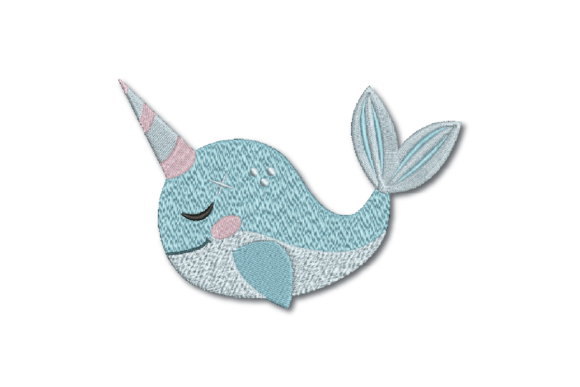
The first impression of this machine embroidery design is one of whimsical charm. Narwhals, often called the unicorns of the sea, carry a natural sense of magic and playfulness. The design captures this mood effectively. It does not try to be hyper-realistic, which is a smart choice for embroidery. Instead, it leans into a stylized aesthetic that works beautifully with the limitations of thread. For those of us creating Marine Mammals themed collections, finding a balance between recognizable anatomy and stitchable simplicity is key, and this design seems to hit that sweet spot.
Visual Appeal and Stitch Clarity
When evaluating any embroidery file, I look immediately at the flow of the shapes. In the case of Narwhal, the curves of the body and the iconic spiral tusk are the focal points. A poorly digitized design would struggle with the tapering of the tusk, often resulting in a blunt or jagged edge. From what I can observe in the preview, the transition from the body to the tusk appears smooth. This suggests a thoughtful use of satin stitch or fine fill stitch work, depending on the size you choose to run.
The visual personality of this piece is gentle. It is not aggressive or overly complex, which makes it versatile. For a custom apparel project, such as a child’s sweatshirt or a women’s tote bag, this level of detail is perfect. It is distinct enough to be recognized from a distance but simple enough not to overwhelm the garment. If you are an Etsy seller looking to expand your design assets, this kind of clarity is crucial. Customers browsing online need to see the design clearly in thumbnail images, and a clean silhouette helps with that recognition.
Real-World Application: The Tote Bag Test
To truly understand how Narwhal performs, let us walk through a real-life scenario. Imagine you are preparing a custom order for a client who wants a set of canvas tote bag designs for a beach-themed birthday party. Canvas is a sturdy fabric, but it has a visible weave. If the stitch density is too low, the fabric texture will show through the colors, making the design look cheap. If it is too high, the bag will pucker and become stiff.
In this context, Narwhal shines because of its balanced composition. I would recommend using a medium-weight cut-away stabilizer to support the stitches without adding unnecessary bulk. The design’s layout allows for good coverage without creating dense blocks of thread that might distort the handle area if placed too close to the top. When stitched out, the contrast between the narwhal’s gray body and the white tusk should pop against a navy or teal bag, creating a high-value handmade product that feels professional rather than amateur.
Considerations for Different Fabrics
While the design is robust, it is not immune to the quirks of different materials. If you are planning to use this for baby embroidery on a onesie, you must be cautious. Baby fabrics are often thin and stretchy. A design with heavy fill stitch areas can cause the fabric to gather. In this case, I would advise testing the design on scrap fabric first. You might need to adjust your tension or use a lighter weight stabilizer to ensure the finished item remains soft and comfortable against sensitive skin.
Similarly, if you are attempting sweatshirt embroidery, the pile of the fleece can swallow small details. The tusk of the narwhal is a slender element. On a thick fleece, ensure that the digitizing includes enough underlay stitches to lift the top threads above the fuzz. If the design appears too delicate for heavy fabrics, consider scaling it up slightly, provided it fits within your hoop size constraints.
Commercial Viability and Brand Consistency
For craft business owners, consistency is currency. You want your small shop product line to look cohesive. Narwhal fits well into a broader marine or fantasy-themed collection. It pairs nicely with other sea creatures or celestial elements. This versatility increases its value as a commercial embroidery asset. You can use it on pillow covers, aprons, or even as part of a larger holiday embroidery gift set.
However, before you list this as a personalized gift option, check the licensing terms. Just because a digital embroidery file is available for purchase does not always mean it is cleared for mass production. Always confirm whether the license allows for unlimited finished goods or if there are restrictions on quantity. This due diligence protects your brand and ensures you are operating ethically within the creative community.
Technical Checks Before You Stitch
Before committing to a final embroidery project, take these practical steps:
- Test on Scrap Fabric: Never stitch directly on your final garment. Use a similar fabric scrap to check for puckering or thread breaks.
- Check Thread Contrast: View the design in black and white. If the details disappear, you may need to adjust your thread colors to ensure definition.
- Inspect Small Details: Zoom in on the tusk and eyes. Are the stitches tight and clean? If they look sparse in the preview, they might be weak in reality.
- Confirm Hoop Size: Ensure the design fits your machine’s maximum hoop area, especially if you plan to scale it up for a large embroidered patch.
- Review Stitch Density: High density can lead to needle heat and thread breakage. If the design looks very solid, consider using a polyester thread which is stronger than rayon.
Final Verdict
The Narwhal embroidery design is a strong contender for designers who value both aesthetics and practicality. It avoids the common pitfalls of over-complication, making it accessible for hobbyists while still offering enough quality for professional custom apparel and decor. Whether you are creating a printable mockup for your online store or stitching a one-of-a-kind gift, this design offers a reliable foundation.
Remember, the success of any finished product depends not just on the digital file, but on your execution. Pay attention to your stabilizer choice, your thread quality, and your fabric preparation. When these elements align, Narwhal becomes more than just a picture of a sea creature; it becomes a tangible piece of art that brings joy to the recipient and credibility to your brand. For anyone specializing in Marine Mammals or whimsical Embroidery themes, this design is worth adding to your library, provided you take the time to test and refine your technique for each specific application.