Dainty Borders: A Designer’s Real-World Review
As a designer who has spent years digitizing patterns and testing machine embroidery design files on everything from stiff canvas to delicate silk, I approach new assets with a critical eye. We have all downloaded those "cute" packs that look perfect in the preview image but turn into a tangled mess of thread breaks and puckering on the hoop. That is why I took a close, practical look at Dainty Borders. This isn’t just about aesthetics; it is about whether this collection holds up when you are trying to run a efficient craft business or create a high-quality personalized gift for a client.
First Impressions: Mood and Visual Personality
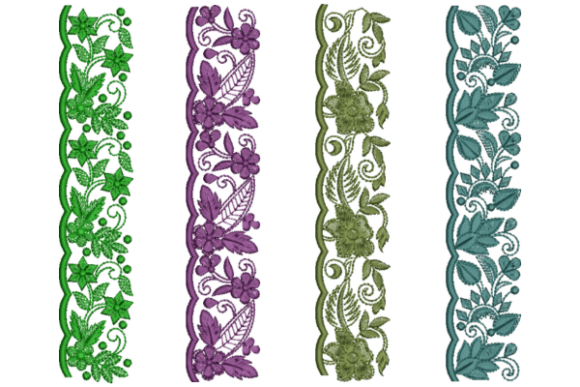
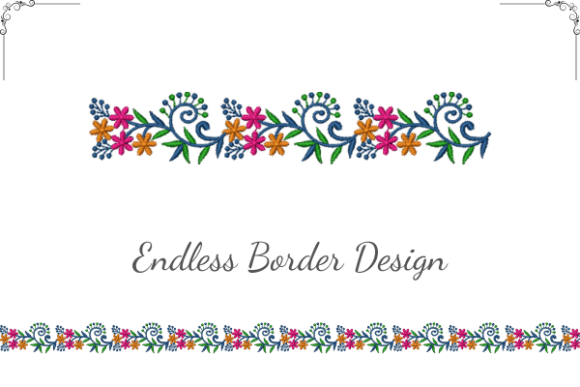
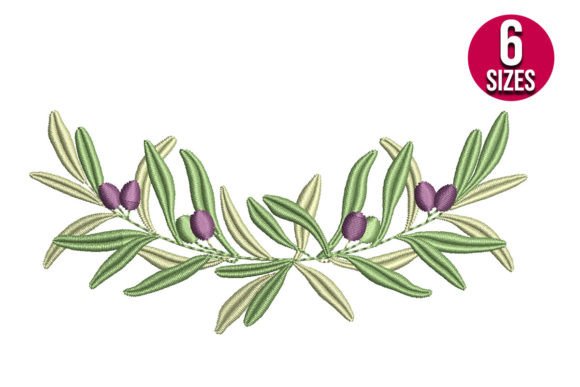
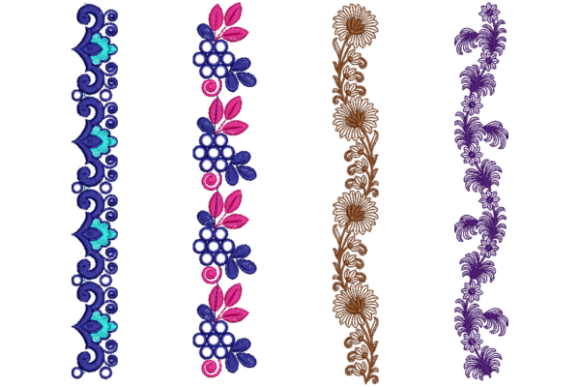
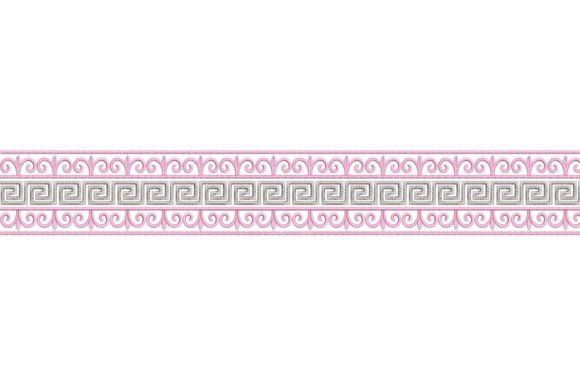
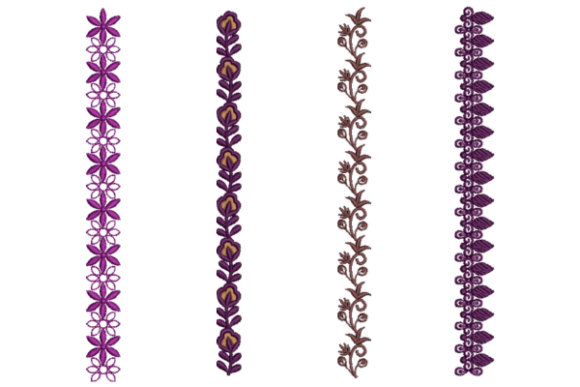
The first thing that strikes me about Dainty Borders is its restraint. In a market flooded with overly complex, dense designs, these patterns breathe. They evoke a sense of softness and traditional craftsmanship, making them ideal for projects that require a touch of elegance without shouting for attention. The layout feels organic, suggesting they were designed with an understanding of how thread lays on fabric rather than just how lines look on a screen.
For an Etsy seller or boutique owner, mood is currency. These borders suggest warmth, care, and attention to detail. They do not scream "mass-produced." Instead, they whisper "handmade." This visual personality makes them naturally suited for home decor, baby items, and apparel where the goal is comfort and charm rather than bold, graphic impact.
Real-World Application: The Tote Bag Test
To truly evaluate an embroidery file, you have to imagine it in production. Let’s say I am preparing a custom order for a local farmer’s market vendor who wants branded tote bag design options. She needs something that looks professional but doesn't take twenty minutes to stitch per bag, as time is money.
I loaded Dainty Borders into my software to simulate the run. The design worked beautifully along the hem of a heavy cotton canvas tote. Because the patterns are described as wonderful additions to towels and apparel, I tested the flow on a curved edge. The result was clean. The running stitch and lighter fill stitch areas did not pull the fabric excessively, which is a common issue with heavier borders on unlined bags. For a small shop product, this reliability is crucial. You cannot afford to re-hoop five bags because the tension was off due to a poorly digitized border.
Apparel and Custom Gifts
Beyond totes, I considered these for sweatshirt embroidery. Adding a subtle border to the cuff or collar of a crewneck can elevate a basic garment into a premium custom apparel piece. However, here is where experience matters. Sweatshirts are thick and often fuzzy. I would recommend using these borders on the placket of a cardigan or the hem of a lighter jersey tee rather than directly on thick fleece, unless you are using a strong cut-away stabilizer. The dainty nature of the design means fine details could get lost in the pile of a heavy fleece.
For baby embroidery, these are arguably the strongest use case. Parents love soft, non-intrusive designs on onesies and bibs. The low profile of these borders means they are less likely to irritate sensitive skin compared to dense, raised satin columns. A simple floral or geometric border from this set on a muslin swaddle blanket creates an instant heirloom feel.
Technical Considerations and Fabric Compatibility
The product description states these designs can be embroidered on any fabric. As a reviewer, I must push back slightly on "any." While versatile, every design has limits. Here is where you need to exercise caution with Dainty Borders.
- Stretchy Fabrics: If you are applying these to knit t-shirts or leggings, you must use a quality stabilizer. Dainty lines can distort easily if the fabric stretches during stitching.
- Dark Fabrics: Light, airy designs sometimes lack the density to fully cover dark backgrounds. I always recommend doing a test stitch-out on black or navy fabric to check for gaps. You may need to adjust your thread colors or add an underlay if the fabric shows through.
- Small Hoop Sizes: Check the specific dimensions of the individual border elements. Some might be too long for a 4x4 hoop, requiring you to split the design or use a larger 5x7 or 6x10 hoop. Always confirm the hoop size requirements before promising a product to a customer.
- Textured Fabrics: On waffle weave towels or textured linen, fine details can get swallowed up. These borders work best on smooth to medium-texture fabrics like cotton poplin, twill, or standard towel terry.
Enhancing Product Value and Brand Consistency
Why choose Dainty Borders over a free design found online? Consistency and professionalism. When you build a brand, your design assets need to speak the same language. These borders offer a cohesive look that can be applied across a entire product line—from kitchen towels to pillow covers. This consistency builds customer trust. A buyer who sees the same elegant border style on your aprons and your tote bags recognizes your brand identity.
Furthermore, using well-digitized borders reduces your error rate. Fewer thread breaks mean faster production times. For a commercial embroidery setup, this efficiency directly impacts your bottom line. It also improves the perceived value of the finished product. Clean, crisp stitching signals quality, allowing you to price your handmade goods higher than competitors using messy, amateurish designs.
Practical Designer Notes for Best Results
Before you start stitching your next batch of holiday embroidery gifts or embroidered patch orders, keep these practical tips in mind:
- Test on Scrap First: Never run a new design on your final garment. Use a scrap piece of the exact same fabric and stabilizer combination.
- Check Thread Contrast: Dainty designs rely on clarity. Ensure your thread color contrasts sufficiently with the fabric. A white-on-white look can be elegant but requires perfect tension and lighting to be visible.
- Review Stitch Density: If the design feels too light on your fabric, consider adding a lightweight backing or adjusting your tension settings. If it pulls, reduce the density in your editing software if you have the rights to modify the file.
- Mockup Verification: Create printable mockup images or digital previews using the actual stitched photos, not just the digital render. Customers want to see how the thread actually sits on the material.
- Licensing Check: Always confirm the license terms. Can you use Dainty Borders for digital embroidery file resale? Or is it strictly for finished physical goods? Most standard licenses allow selling finished items like small shop product inventory, but rarely allow reselling the file itself.
Final Verdict
Dainty Borders is a solid addition to any designer’s library, particularly for those focusing on home decor, baby items, and soft apparel. It avoids the pitfalls of over-digitization, offering a clean, classic look that translates well to real-world fabrics. While it requires careful handling on stretchy or very dark materials, its versatility and aesthetic appeal make it a reliable choice for creating high-quality, sellable goods. For the serious maker, it is not just a pretty picture; it is a functional tool for building a cohesive and professional brand.