Alpaca Lovey Boy-ITH: A Designer’s Practical Review
When I first pulled up the Alpaca Lovey Boy-ITH file on my screen, my initial reaction was one of quiet appreciation for its balance. As an experienced embroidery designer, I have seen countless animal motifs that lean too heavily into cartoonish exaggeration or become so detailed they turn into a tangled mess of thread on the fabric. This design, however, sits in a sweet spot. It captures the gentle, quirky charm of alpacas without sacrificing stitch clarity. For those of us who spend our days tweaking tension settings and selecting the perfect stabilizer, finding a machine embroidery design that translates well from digital preview to physical reality is always a relief.
First Impressions and Visual Personality
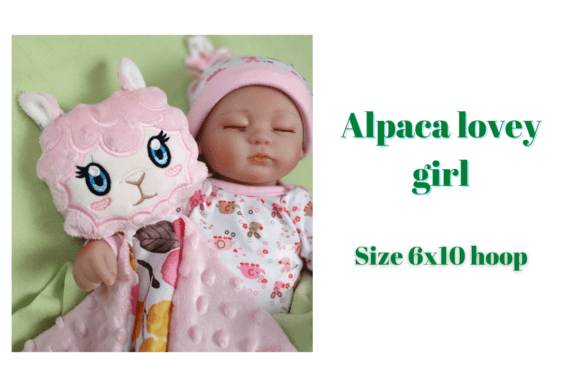
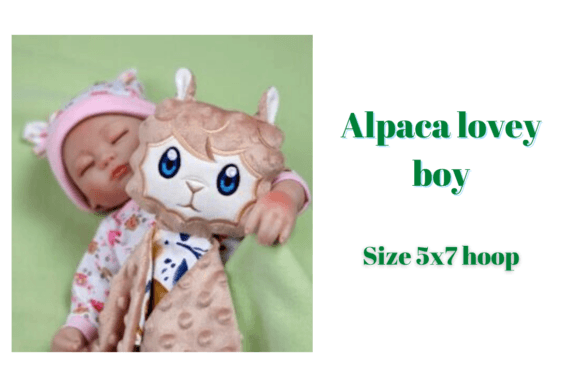
The mood this piece creates is undeniably soft and approachable. The layout feels intentional, with a focus on clean lines that suggest a modern aesthetic rather than a dated clip-art style. In the realm of Wild Animals themed Embroidery, alpaca designs can sometimes feel generic. What sets Alpaca Lovey Boy-ITH apart is its personality. It feels like a character you would want to hug, which is precisely the emotional response we aim for in handmade goods.
I immediately began thinking about where this visual personality would shine. It does not scream for attention with aggressive colors or overly complex shading. Instead, it invites a closer look. This subtlety is crucial for high-end handmade product lines where the quality of the stitch work speaks louder than the size of the graphic. The design suggests a narrative of comfort and warmth, making it an ideal candidate for items meant to be held, worn, or gifted with care.
Real-World Application: The Custom Tote Scenario
To truly evaluate a design, I mentally place it on a specific project. Imagine a client requesting a set of reusable grocery bags for a local boutique specializing in organic baby goods. A standard tote bag design often features bold logos, but for this niche, something softer works better. I visualize Alpaca Lovey Boy-ITH stitched onto a heavy canvas tote in a muted sage green thread against natural unbleached cotton.
In this scenario, the design performs exceptionally well. The shapes are distinct enough to remain recognizable even from a distance, yet the detail level allows for interesting texture up close. If I were using a satin stitch for the outline and a light fill stitch for the body, the result would be durable enough for weekly use but delicate enough to feel special. This is the kind of finished product that encourages repeat customers because it feels thoughtful, not mass-produced.
Versatility Across Product Lines
Beyond totes, this embroidery file shows promise across several categories. For custom apparel, such as a children’s sweatshirt, the design’s scale seems appropriate for a chest pocket placement or a larger back print. The "lovey" aspect of the title suggests it is particularly well-suited for baby embroidery projects. Think bibs, burp cloths, or small security blankets. The gentle expression of the alpaca aligns perfectly with nursery decor themes.
For Etsy sellers and craft business owners, versatility is key to maximizing ROI on digital assets. This design could easily be adapted into an embroidered patch if scaled down and backed with fusible interfacing. Patches are currently trending, and a cute animal motif sells well at craft fairs. Additionally, it could serve as a charming accent on holiday embroidery projects, such as stocking tags or ornament covers, provided the color palette is adjusted to fit seasonal themes.
Technical Considerations and Stitching Reality
While the visual appeal is strong, a professional reviewer must look at the technical execution. The description notes that full step-by-step instructions are included, which is a significant plus for less experienced users. However, before running this on a customer’s garment, there are critical checks to perform.
First, consider the stitch density. Without seeing the exact stitch count, I advise testing the design on scrap fabric identical to your final material. If the density is too high, it can cause puckering, especially on thinner fabrics like jersey knits used in t-shirts. If you are stitching on a sweatshirt embroidery project, the thicker fabric will handle denser stitches better, but you must still ensure the hoop tension is correct to avoid distortion.
Fabric texture also plays a role. On highly textured materials like terry cloth or fleece, fine details might get lost. In such cases, simplifying the thread colors or using a contrasting underlay can help maintain definition. For dark fabrics, ensure your thread colors have enough contrast. A pastel alpaca on navy blue might disappear if the stitch coverage is not sufficient. Always test your thread colors in both light and dark scenarios.
Where to Use Caution
Not every surface is ideal for this design. Curved surfaces, such as caps or hats, require careful hooping and possibly a smaller version of the design to prevent wrapping around the curve, which distorts the image. Similarly, if you plan to use this on stretchy fabric without proper cut-away stabilizer, the design may warp after washing.
Also, be mindful of small hoop sizes. If the design includes tiny text or intricate facial features, shrinking it too much for a 4x4 hoop might cause the stitches to merge, losing the character’s charm. Always check the minimum recommended size in the provided instructions. If the file formats include multiple sizes, choose the one that best fits your hoop while maintaining integrity.
Commercial Use and Brand Consistency
For commercial embroidery and small shop product lines, consistency is vital. Using Alpaca Lovey Boy-ITH can help build a cohesive brand identity if you specialize in whimsical, nature-inspired goods. Customers trust brands that deliver consistent quality. A well-stitched, clear design enhances perceived value. Conversely, a poorly executed stitch-out can damage your reputation.
Before selling finished items or digital embroidery file derivatives, confirm the licensing terms. The description mentions it can be used with multiple embroidery machines, which is excellent for compatibility, but always verify if commercial use is permitted for the finished physical products. Most designers allow selling finished items, but reselling the digital file itself is typically prohibited.
Final Designer Notes
To get the best results from Alpaca Lovey Boy-ITH, follow these practical steps:
- Test on Scrap Fabric: Never skip this step. Check for puckering, thread breaks, or registration issues.
- Check Stabilizer: Use a tear-away for stable woven fabrics and a cut-away for knits or stretchy materials.
- Review Thread Contrast: Ensure your thread choices pop against the fabric background. Test in black and white mockups to see value contrast.
- Inspect Small Details: Zoom in on the digital preview to identify any potential jump stitches or dense areas that might need manual editing.
- Confirm Hoop Size: Match the design size to your machine’s hoop capabilities to avoid resizing errors.
In conclusion, Alpaca Lovey Boy-ITH is a solid addition to any designer’s library. It offers a blend of charm and technical feasibility that works well for a variety of personalized gift ideas and craft business inventory. By paying attention to fabric choice, stabilizer, and stitch density, you can transform this digital asset into a high-quality physical product that resonates with customers. It is a design that respects the craft, offering a reliable foundation for creative expression in the world of machine embroidery.