Dashing Cut Work Border: A Designer’s Practical Review
As an embroidery designer who has spent years digitizing and stitching thousands of designs, I approach every new machine embroidery design with a mix of curiosity and skepticism. We have all seen files that look stunning on a screen but turn into a tangled mess of thread breaks and puckering on the fabric. When I first loaded the Dashing Cut Work Border into my software, I was looking for more than just aesthetic appeal; I wanted to know if it would hold up in a real-world production environment. This review is not about marketing hype. It is about practical application for crafters, Etsy sellers, and boutique owners who need reliable embroidery assets for their businesses.
First Impressions and Visual Personality
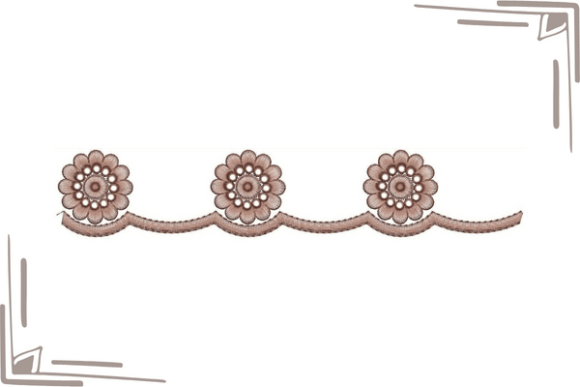
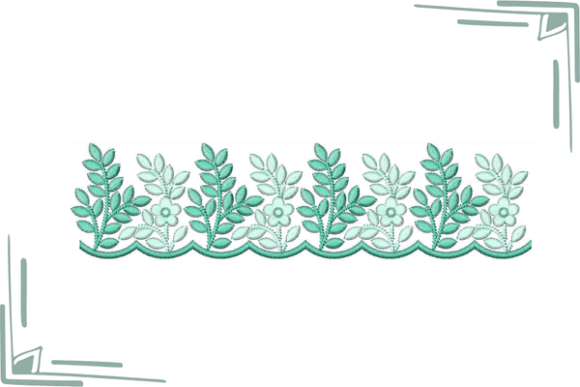
The immediate impression of the Dashing Cut Work Border is one of delicate sophistication. Unlike heavy, dense borders that can weigh down lightweight fabrics, this design relies on negative space and strategic stitch placement to create its effect. The floral motifs are arranged in a way that suggests movement, making it ideal for projects where you want a touch of elegance without overwhelming the base material. The layout feels balanced, avoiding the common pitfall of asymmetrical weight that can cause hoop distortion.
For those of us who sell handmade products, visual clarity is everything. Customers scrolling through an online shop need to see the design clearly even in thumbnail images. The open nature of this cut-work style ensures that the details remain visible from a distance, which is crucial for printable mockups and digital product previews. It creates a mood of refined craftsmanship, suggesting that the item it adorns is special, thoughtful, and high-quality.
Real-World Application: The Tote Bag Test
To truly evaluate a border design, I believe in testing it on a project that demands both durability and style. I chose to apply the Dashing Cut Work Border to a custom canvas tote bag, a staple item for many small shop products. Canvas is a forgiving fabric, but it has a distinct texture that can interfere with fine details. I paired the design with a crisp white rayon thread against a natural beige canvas. The contrast was striking. The floral elements popped, and the "cut work" illusion was convincing, adding a layer of depth that flat printing simply cannot achieve.
This specific application highlighted why this design is such a strong contender for custom apparel and home decor. Whether you are creating a tote bag design for a farmer's market stall or adding a decorative hem to a linen apron, the border adapts well. It does not fight the fabric; instead, it complements the weave. For Etsy sellers, this versatility means you can offer the same design across multiple product lines, from kitchen towels to pillow covers, maximizing your return on investment for the digital embroidery file.
Performance on Different Materials
While the tote bag test was successful, I also considered how this design performs on trickier materials. For sweatshirt embroidery, the open structure of the border is a blessing. Heavy fleece or terry cloth can easily become stiff if covered in dense satin stitches. Because this design uses spacing effectively, it maintains the softness of the garment while still providing a decorative accent. However, when working with stretchy fabrics like jersey for baby embroidery items, caution is required. The lack of dense fill means there is less structural support, so a high-quality cut-away stabilizer is non-negotiable to prevent stretching during wear and washing.
I would hesitate to use this on very thin, slippery silks without extensive testing. The needle penetrations, while not excessive, still create holes. On delicate fabrics, these holes can become permanent eyesores if the tension is not perfectly calibrated. For textured fabrics like denim or corduroy, the design holds up well, provided you use a topping to keep the stitches from sinking into the pile.
Technical Considerations for Professional Results
Before you commit to stitching this on a client’s expensive garment, there are several technical factors to review. First, check the stitch density. While the description suggests it works with any fabric, experienced designers know that "any fabric" usually requires adjustments in tension and stabilizer choice. I recommend running a test stitch on scrap fabric identical to your final project material. This allows you to inspect the thread colors and ensure there are no unnecessary jumps or trims that could slow down production.
Pay close attention to the hoop size requirements. Borders often require specific positioning to ensure they run straight along a hem or edge. If you are working on curved surfaces like caps, this design may need significant manipulation or might not be suitable depending on the curvature radius. Always confirm the exact dimensions and compatibility with your machine before purchasing or downloading. If the license terms are not explicitly clear regarding commercial use, verify them immediately. Selling finished items is different from reselling the design assets themselves, and understanding these boundaries protects your craft business from legal issues.
Enhancing Product Value and Brand Consistency
In the world of commercial embroidery, consistency builds trust. The Dashing Cut Work Border offers a level of professionalism that elevates a simple item into a personalized gift worth paying a premium for. When customers receive a product with clean, well-executed embroidery, they perceive higher value. This design contributes to that perception by looking intricate yet remaining clean and uncluttered. It avoids the "busy" look that can sometimes plague amateur embroidery projects.
For brand consistency, consider how this border aligns with your shop’s aesthetic. If your brand is rustic and farmhouse-style, this floral border fits perfectly on tea towels and napkins. If your brand is modern and minimalist, you might use it sparingly as a subtle accent on a cuff or collar. The key is intentionality. Do not just slap it on because it looks nice; place it where it enhances the function and form of the finished product.
Final Verdict for Makers and Sellers
The Dashing Cut Work Border is a versatile addition to any designer’s library. It shines in applications where elegance and breathability are needed, such as light apparel, home textiles, and accessories. It is particularly well-suited for holiday embroidery projects, where a touch of traditional floral beauty is often desired. However, it demands respect in terms of preparation. Proper stabilization, careful thread selection, and thorough testing are essential to achieving the crisp, professional look that customers expect.
For the Etsy seller or small business owner, this design offers a balance of visual impact and practical usability. It is not the fastest stitch-out, nor is it the simplest, but the result is a high-quality embellishment that can justify a higher price point. Just remember to treat it as a component of a larger design strategy. Use it to frame, to accent, and to elevate. With the right approach, this border can become a signature element in your embroidery project portfolio, helping you stand out in a crowded marketplace of handmade goods.