Tiny Camper Key Fob: A Designer’s Review
As an embroidery designer who has spent years digitizing patterns for small businesses, I have learned that the smallest details often make the biggest impact. When I first loaded the Tiny Camper Key Fob into my software, I was immediately struck by its potential as a versatile asset for branded merchandise. This is not just a cute motif; it is a strategic design element that can elevate a brand’s visual identity. For shop owners, Etsy sellers, and apparel decorators, finding a machine embroidery design that balances charm with professional execution is rare. This review explores how this specific pattern performs in real-world commercial applications.
First Impressions: Visual Personality and Brand Fit
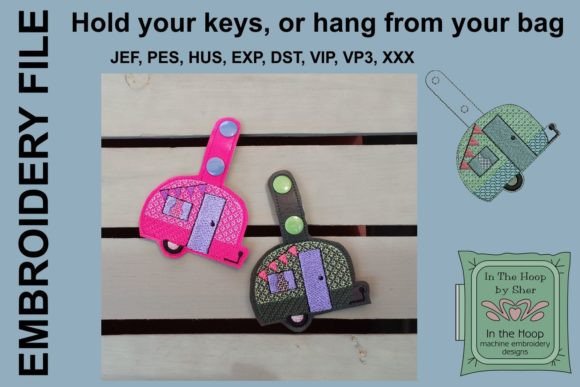
The initial look of the Tiny Camper Key Fob suggests a blend of rustic warmth and playful modernity. The description promises a miniature camper with wheels and cozy details, which translates visually into a design that feels approachable and friendly. For brands in the outdoor, travel, or lifestyle sectors, this aesthetic is invaluable. It does not scream "corporate"; instead, it whispers "handmade" and "authentic."
When evaluating a new digital embroidery file, I look for clarity in the outlines. Does the design hold its shape when scaled down? The Tiny Camper appears to have clean lines that should translate well into thread. However, the term "cozy details" warrants a closer inspection. In embroidery, excessive detail can lead to stitching issues if the stitch density is too high for the chosen fabric. My advice is to view the design at 50% zoom to ensure the wheels and body of the camper remain distinct without merging into a solid block of thread.
Real-World Business Applications
The true test of any design is its versatility across different products. Here is how I envision the Tiny Camper Key Fob working for various small business merchandising needs:
- Embroidered Patches: This is perhaps the strongest use case. A small, iron-on or sew-on patch featuring this camper can be sold as a standalone product or used to embellish denim jackets and backpacks. Patches allow for higher stitch density without worrying about fabric puckering, making them ideal for detailed motifs.
- Cap Embroidery: Placing this design on the front panel of a baseball cap creates a subtle yet effective brand mark. Because caps have a curved surface, the design must be compact. The "tiny" nature of this fob design makes it perfect for left-chest positioning or center-front cap placement without overwhelming the garment.
- Tote Bag Design: Canvas tote bags are a staple for boutiques and bakeries. Embroidering this camper on the corner of a bag adds a premium touch that printed ink cannot match. It signals quality and attention to detail, encouraging customers to reuse the bag and thereby increasing brand visibility.
- Apron Embroidery: For cafes, florists, or craft studios, staff uniforms are walking billboards. Adding this design to the bib of an apron creates a cohesive look. It softens the professional appearance, making staff seem more approachable and aligned with a creative, handmade ethos.
Navigating Technical Challenges
While the Tiny Camper Key Fob is aesthetically pleasing, there are technical considerations every decorator must address before running a production batch. Ignoring these can lead to wasted materials and unhappy clients.
Fabric Texture and Stabilizer: The success of this design depends heavily on the substrate. On textured fabrics like terry cloth or heavy canvas, fine details might get lost. Conversely, on slippery synthetics, the design may pucker if the wrong stabilizer is used. I always recommend testing on a scrap piece of the actual production fabric. Use a cut-away stabilizer for garments that will be washed frequently, such as work shirts or aprons, to maintain the integrity of the stitch work over time.
Thread Colors and Contrast: The description mentions "cozy details," which implies a multi-color palette. However, when scaling down for small items like key fobs or patches, too many color changes can clutter the design. I suggest simplifying the thread colors for smaller applications. High contrast between the camper and the background fabric is essential for recognition. If you are stitching on dark uniforms, ensure the design includes a satin stitch border or underlay to prevent the fabric color from showing through the lighter threads.
Hoop Size Constraints: Before purchasing, verify the required hoop size. If the design is optimized for a 4x4 hoop, it may not fit efficiently in a larger multi-head machine setup without manual repositioning. Check the file specifications to ensure it aligns with your equipment capabilities.
Enhancing Brand Identity and Customer Trust
In today’s market, customers crave connection. A generic logo feels cold, but a charming icon like the Tiny Camper Key Fob adds personality to your brand identity. It suggests that your business values adventure, comfort, and craftsmanship. This emotional resonance builds trust. When a customer receives a product with high-quality embroidery, they perceive higher value. It transforms a simple item into a keepsake.
For Etsy sellers and handmade brands, consistency is key. Using this design across various touchpoints—packaging tags, thank-you cards (as a printed element), and physical products—creates a unified visual language. This consistency reinforces brand recognition. A customer who sees the camper on their tote bag will instantly recognize it on your social media posts or website banners.
Practical Designer Notes for Production
Before you commit to a large run of custom apparel or accessories, follow these steps to ensure professional results:
- Test in Monochrome: Stitch the design out in black thread on white fabric first. This reveals any gaps in coverage or unclear outlines without the distraction of color.
- Check Scalability: Resize the design to its smallest intended use. Does it still look like a camper? If the wheels disappear, it is too small for that application.
- Create a Printable Mockup: Use digital tools to place the design on photos of your actual products. Show this to clients for approval before stitching. It manages expectations and reduces revision requests.
- Verify Licensing: Ensure the commercial embroidery license covers your intended use. Some designers restrict the number of physical items you can sell. Always read the terms included with the embroidery file.
- Compare Design Assets: Place this design next to your existing logo or other graphics. Do they share a similar line weight and style? Visual harmony is crucial for a professional presentation.
Final Verdict for Small Business Owners
The Tiny Camper Key Fob is more than just a decorative element; it is a strategic tool for enhancing small business merch. Its adaptability makes it suitable for everything from high-end boutique labels to rugged outdoor gear. By paying attention to fabric texture, stitch density, and placement, you can leverage this design to create products that customers love to wear and use.
Remember, the goal of embroidery in business is not just decoration—it is communication. This design communicates warmth, quality, and a sense of adventure. Whether you are outfitting a team of baristas or creating a new line of camping accessories, this pattern offers a charming way to connect with your audience. Always prioritize testing and quality control to ensure that every stitched inch reflects the professionalism of your brand. With the right preparation, the Tiny Camper can become a signature element of your finished product lineup, driving engagement and sales through thoughtful, tactile design.