Reviewing Tree with Green Leaves for Craft Fair Sales
As an embroidery designer who has spent countless weekends behind a booth table, I know that the difference between a design that sits idle and one that flies off the table often comes down to immediate visual impact. When I first loaded the Tree with Green Leaves machine embroidery design into my software, my initial reaction was one of relief. In a market saturated with overly complex patterns, this design offers a refreshing simplicity. It feels organic, approachable, and undeniably cute without sacrificing the professional polish that serious buyers look for in a handmade product.
This piece fits squarely into the Forest category, but it does not feel heavy or rustic in a dated way. Instead, it strikes a balance between modern minimalism and traditional charm. For those of us running small shop products or Etsy seller accounts, this versatility is gold. It is not just an embroidery file; it is a potential bestseller if placed on the right items.
First Impressions and Visual Appeal
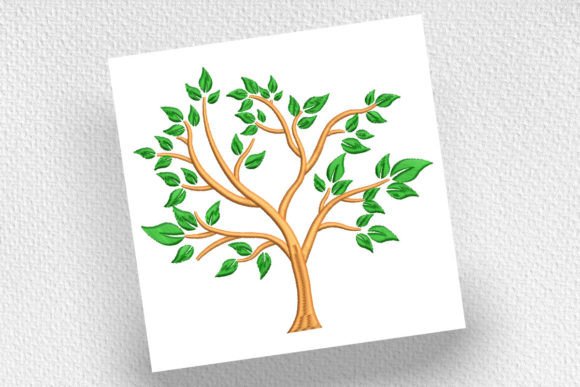
The title says it all, but the execution matters more. The Tree with Green Leaves design relies on clean lines and vibrant thread colors to create its appeal. At a glance, it reads clearly. This is crucial for craft fair environments where customers are walking past your display quickly. If they cannot identify the subject within two seconds, they keep walking. This design passes that test effortlessly.
It feels soft and decorative, making it ideal for home goods and wearable art. It does not scream for attention with neon brightness or aggressive sizing; rather, it invites closer inspection. For boutique makers, this subtlety allows the design to elevate the base item rather than overpower it. Whether you are aiming for a farmhouse aesthetic or a modern eco-friendly vibe, this motif adapts well.
Strategic Product Placement for Maximum Sales
Choosing where to stitch this design is half the battle. Based on my experience with similar Forest-themed motifs, here is how Tree with Green Leaves performs across various mediums:
- Tote Bag Design: This is arguably the strongest application. A canvas tote with a centered tree creates an instant statement piece. It appeals to shoppers looking for reusable, eco-conscious accessories. The green leaves pop beautifully against natural beige or white canvas.
- Apron Embroidery: Kitchenware is a huge seller at fairs. Stitching this on a bib apron adds a touch of nature to the culinary space. It works well as a focal point on the chest pocket area.
- Tea Towel Embroidery: For a smaller, lower-price-point item, this design shines. However, you must be cautious with fabric texture. Thick waffle-weave towels can distort small details. Stick to smooth cotton linens for the crispest result.
- Embroidered Patch: If you offer iron-on or sew-on patches, this tree shape is perfect. It allows customers to customize their own jackets or bags, expanding your reach beyond pre-made items.
- Pillow Covers and Blankets: The description mentions pillows and blankets, and rightly so. A single tree on a neutral pillow cover creates a serene, calming effect that buyers love for living room decor.
When preparing your booth display, consider creating a cohesive look. Group your Tree with Green Leaves items together. Use a mix of greens in your thread colors to show variety, perhaps offering a sage version, a forest green version, and a bright lime version. This demonstrates the versatility of the digital embroidery file and encourages buyers to imagine it in their own color schemes.
Production Practicalities and Quality Control
While the design is visually appealing, practical production concerns must be addressed before you commit to batch production. As a commercial embroidery provider, consistency is key. Here are the technical aspects I evaluate before selling any finished product:
Stitch Density and Fabric Choice: Check the stitch density of the file. If the leaves are too dense, they may cause puckering on lightweight fabrics like t-shirts. Always use the appropriate stabilizer. For knits, a cut-away stabilizer is usually safer than tear-away to prevent distortion after washing. For woven fabrics like tote bags, a medium-weight tear-away often suffices.
Hoop Size and Scaling: The product description notes that the file comes in multiple formats, but it does not specify exact hoop sizes. You must check these details before production. Ensure the design fits comfortably within your standard hoop size without hitting the edges. If you plan to scale it down for small pouches or caps, verify that the tiny details of the leaves do not merge into a solid blob. Clarity is lost quickly when scaling down complex organic shapes.
Thread Contrast: On dark fabric, such as navy jackets or black caps, ensure your green threads have enough brightness to stand out. You may need to adjust the thread chart or add a satin stitch border to define the shape against dark backgrounds. Test this on scrap fabric before committing to your final inventory.
Marketing and Online Presence
For Etsy sellers and digital sellers, the Tree with Green Leaves design offers excellent photographic opportunities. It photographs well because of its distinct shape. Create a printable mockup or use real-life styled photos to show the design in context. Show it on a cozy blanket with a cup of tea, or on a tote bag filled with fresh flowers. These lifestyle images help buyers visualize the handmade quality and emotional value of the product.
When listing this as a craft fair product or online item, emphasize the "handmade" aspect. Buyers are willing to pay a premium for items that feel personal and crafted with care. Highlight the quality of the stitching and the durability of the materials used. Mention that the design is part of a curated Forest collection, which can help with brand consistency if you plan to release more nature-inspired designs assets in the future.
Final Designer Notes
Before you launch your marketing campaign or set up your booth, take these final steps:
- Test on Scrap Fabric: Never skip this step. Run the design on the exact fabric type you intend to sell. Check for thread breaks, nesting, or registration issues.
- Confirm Commercial Licensing: The description states it is suitable for various items, but always confirm the license terms included with the digital embroidery file. Ensure you are allowed to sell finished products commercially.
- Create Real Mockups: Digital renderings are helpful, but nothing beats a physical sample. Have at least one perfect example of each product type to display at your fair.
- Check Thread Colors: Ensure your thread inventory matches the design requirements. Having the right shades of green on hand prevents production delays.
In conclusion, Tree with Green Leaves is a strong contender for your next product line. It balances aesthetic appeal with production feasibility. By paying attention to fabric texture, stabilizer choice, and strategic placement, you can turn this simple embroidery design into a profitable staple of your handmade business. It is a design that respects the craft while appealing to the modern consumer, making it a smart addition to any embroidery entrepreneur's portfolio.