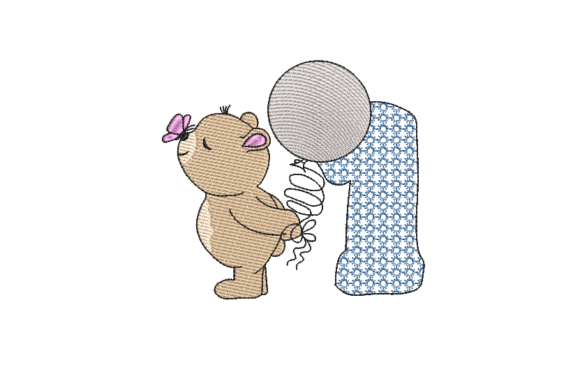
Reviewing the Number One Cute Teddy Bear Design
As a designer who spends more time staring at stitch maps than actual fabric, I have learned that the most successful embroidery projects often rely on simplicity. We live in an era where complex, photo-realistic digitizing is common, yet there is a distinct market shift toward designs that feel organic, hand-drawn, and approachable. This is exactly where the Number One Cute Teddy Bear design enters the conversation. It is not trying to be the most detailed bear on the block; instead, it aims for charm, speed, and visual clarity. After evaluating this piece for potential use in client work and small shop inventory, I found it to be a versatile asset for specific applications, provided you understand its structural limitations.
The Aesthetic Appeal of a Hand-Drawn Sketch
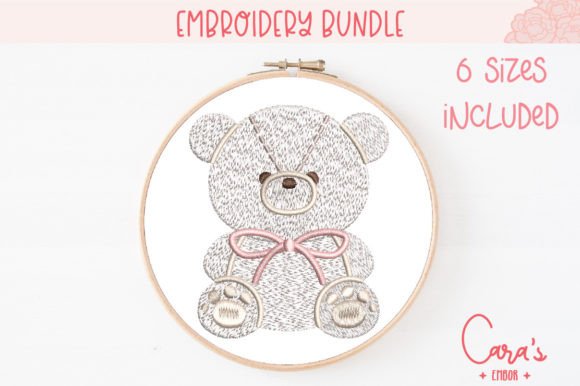
The first thing that strikes you about the Number One Cute Teddy Bear is its mood. It feels nostalgic and soft, mimicking the look of a pencil sketch or a quick ink drawing. For embroidery designers, this "sketch" style is achieved through strategic use of running stitches and light fill areas rather than heavy satin columns or dense block fills. The lack of heavy underlay is a deliberate choice here. It keeps the design flat and prevents the dreaded "puckering" effect that often plagues smaller motifs on lightweight fabrics.
This visual personality makes the design particularly suitable for modern, minimalist branding. If you are an Etsy seller or a boutique owner looking to create a cohesive line of nursery decor or baby items, this aesthetic fits seamlessly. It does not scream for attention with loud colors or complex shading; rather, it invites a closer look. The lightly filled areas allow the fabric texture to show through slightly, which adds a layer of authenticity to the finished product. This is crucial for handmade products where the value lies in the tactile experience as much as the visual one.
Real-World Application: The Custom Tote Bag Test
To truly evaluate a machine embroidery design, you must imagine it in a real-life scenario. I recently considered this design for a custom tote bag project intended for a local bookstore’s children’s section. The goal was to create a durable, washable item that felt personal and whimsical. The Number One Cute Teddy Bear was an ideal candidate for this application. Because the design is quick to stitch out, it allows for higher production volume without sacrificing quality. For a small business owner, time is money, and a design that delivers major impact with minimal machine time is a valuable digital embroidery file.
On a canvas tote, the light fill and sketch-like lines held up beautifully. The design did not get lost in the weave of the fabric, nor did it create a stiff, cardboard-like patch on the soft cotton. This balance is difficult to achieve. Many designs either look too sparse or too dense. Here, the balance leans toward airy and open, which works exceptionally well for larger surface areas like tote bags, aprons, or pillow covers. It suggests that this design is best suited for items where the embroidery is a focal point but not the sole structural element.
Fabric Considerations and Stitching Performance
While the design performs well on medium-weight cottons and canvas, its structure demands careful consideration when moving to other materials. The description notes that resizing or altering the design is not recommended. This is a critical constraint for any professional embroiderer. Unlike scalable vector graphics, embroidery files have fixed stitch counts and densities. Shrinking this design could cause the stitches to overlap excessively, leading to thread breaks and bird nests. Enlarging it would expose the underlying fabric, breaking the illusion of the sketch.
Therefore, hoop size selection is vital. You must ensure your chosen hoop accommodates the design at its original size with adequate margin for stabilizer. When working with stretchy fabrics like sweatshirt fleece or jersey knits for custom apparel, the lack of heavy underlay means you must rely on your stabilizer choice. A cut-away stabilizer is likely necessary to support the running stitches and prevent distortion over time, especially if the item will be washed frequently. For thin fabrics, such as baby clothes or tea towels, a tear-away might suffice, but testing on scrap fabric is non-negotiable. The light fill means any instability in the hooping process will be visible in the final stitch-out.
Color Theory and Thread Selection
The success of a sketch-style design hinges on thread color contrast. Since the Number One Cute Teddy Bear relies on line work and subtle shading, using a thread color that blends too much with the fabric will render the design invisible. Conversely, high-contrast choices can make the bear pop dramatically. For a classic look, a dark brown or charcoal thread on a cream or white background works wonders. However, do not shy away from creative interpretations. A pastel pink thread on a white baby onesie creates a soft, gender-neutral appeal that is highly marketable for baby embroidery projects.
I recommend testing the design in black and white mockups before committing to colored threads. This helps you visualize the density and flow of the stitches without the distraction of color. It also helps in determining if the design holds its shape on dark fabrics. If you plan to stitch on navy or black garments, you may need to adjust your thread palette to ensure the "hand-drawn" effect remains legible. Remember, the goal is clarity. If the details blur together, the charm is lost.
Commercial Viability and Brand Consistency
For commercial embroidery and digital product sellers, consistency is key. The Number One Cute Teddy Bear offers a reliable template for building a themed collection. Imagine pairing this bear with other sketch-style animals or objects to create a cohesive line of holiday embroidery gifts or personalized products. The uniform style ensures that your brand identity remains strong across different items, from embroidered patches to kitchen towels.
However, always verify the licensing terms before selling finished items or distributing the digital embroidery file. While many designs allow for commercial use of finished physical products, restrictions often apply to sharing the file itself. As a craft business owner, protecting your intellectual property and respecting the creator’s rights is essential for long-term success. Additionally, consider how this design fits into your broader catalog. Does it complement your existing teddy bears and embroidery offerings? Does it fill a gap in your product line for quick-turnaround items?
Final Verdict for Makers and Designers
The Number One Cute Teddy Bear is a thoughtful addition to any embroiderer’s library, particularly for those who value efficiency and aesthetic subtlety. It is not a design for every situation—avoid it on highly textured fabrics where the fine lines might get lost, and never attempt to resize it. But for standard applications like tote bags, sweatshirts, and nursery decor, it delivers a professional, hand-crafted look with minimal effort. By respecting its structural constraints and choosing the right fabric and thread combinations, you can create finished products that resonate with customers seeking warmth and simplicity in their handmade goods.