German Shorthaired Pointer Embroidery Review
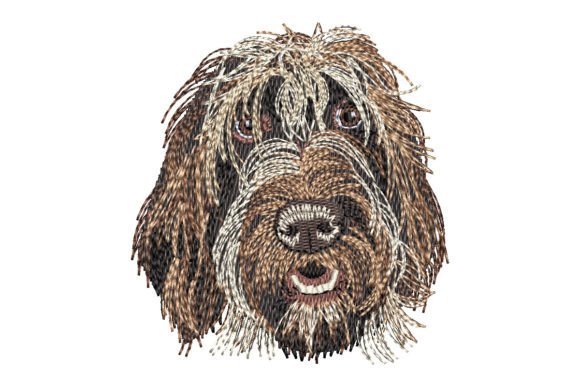
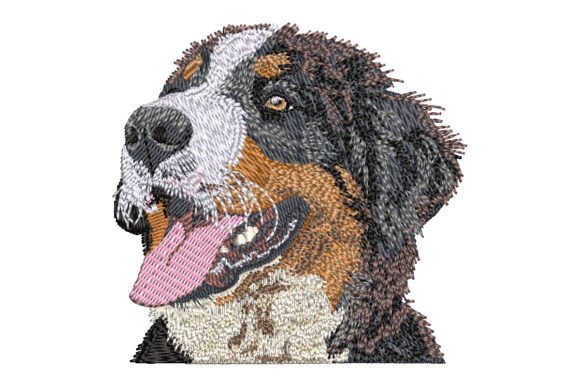
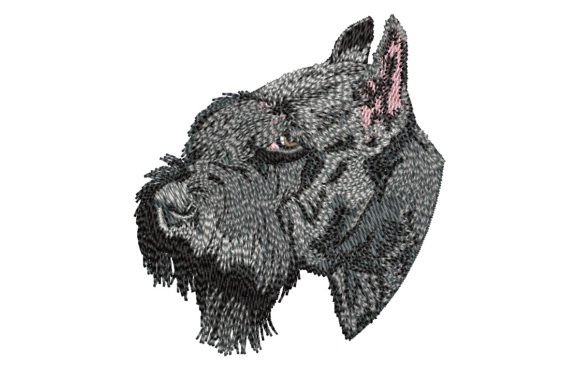
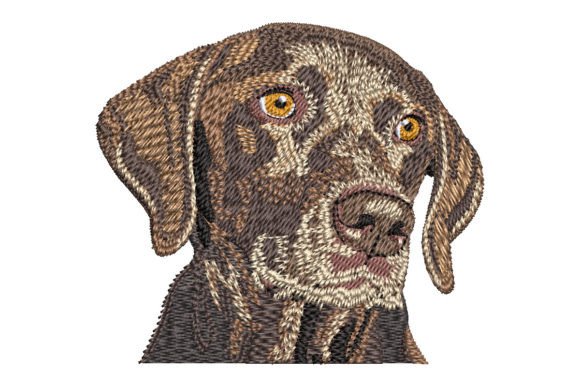
As a designer who has spent countless hours digitizing and stitching out machine embroidery design files, I have learned to look past the glossy preview images. What matters is how a design behaves under the needle, how it interacts with fabric texture, and whether it holds up in the real world of custom orders and retail sales. When I first loaded the German Shorthaired Pointer file into my software, I was immediately struck by its commitment to realism. This is not a cartoonish outline or a simplified silhouette; it is a detailed portrait that relies heavily on tonal shading and intricate fur texture to create a lifelike appearance.
First Impressions and Visual Personality
The mood of this piece is dignified and warm. For dog lovers, capturing the specific expression of a breed is crucial, and this design succeeds by focusing on the eyes and the characteristic ticking of the coat. The layout is balanced, avoiding excessive negative space that might look empty on larger garments while remaining compact enough for standard hoop sizes. Visually, it feels premium. It does not look like a quick, auto-digitized shape but rather like a piece of art translated into thread. This level of detail naturally elevates the perceived value of any handmade product it adorns.
Real-World Application: The Custom Tote Test
To truly evaluate this embroidery file, I imagined a common scenario for many Etsy sellers and craft business owners: a custom order for a high-quality canvas tote bag. Canvas is a sturdy fabric, but it has a pronounced weave. I considered how the fine details of the German Shorthaired Pointer would translate onto this surface. The tonal shading suggests a mix of fill stitch techniques, which should lay flat if the density is managed correctly. However, the fur texture requires precision. If the stitch direction fights the weave of the canvas, the image could lose clarity.
In this context, the design shines as a centerpiece. It is substantial enough to be the main attraction on a tote bag design without needing excessive surrounding text or decorative elements. For a personalized gift, adding a simple name in a clean sans-serif font below the portrait would complement the realism without cluttering the composition. This makes it an ideal candidate for boutique branding or small shop merchandise where quality is the primary selling point.
Versatility Across Products
Beyond totes, this design has strong potential in custom apparel. On a heavyweight sweatshirt, the stitch density needs to be monitored to prevent puckering. A sweatshirt embroidery project benefits from the warmth of the subject matter, making it a popular choice for fall and winter collections. Conversely, using this on a thin t-shirt would require a cut-away stabilizer and possibly a backing patch to ensure the stitches do not pull through the fabric.
For those interested in embroidered patch creation, this design is well-suited due to its defined edges. The realistic fur texture can be achieved with varied thread angles, creating a dynamic look that stands out even when sewn onto denim jackets or caps. It also works beautifully for baby embroidery projects, such as blanket corners or nursery decor, provided the scale is adjusted to fit smaller hoops. The gentle expression of the pointer makes it approachable for children’s items, moving beyond just adult-focused Dogs themed merchandise.
Technical Considerations and Challenges
While the aesthetic appeal is high, practical execution requires care. The realistic nature of the design means it relies on subtle color transitions. If you are using a machine with limited thread colors, you may need to manually adjust the color stops to ensure the shading remains visible. Testing the design in black and white mockups is a crucial step to verify that the contrast is sufficient. Without proper contrast, the detailed fur texture can blend into a muddy mass, losing the lifelike quality that defines the piece.
Another critical factor is the hoop size. Ensure your frame can accommodate the full width of the design without cropping essential details like the ears or tail. For curved surfaces like caps, the density of the fill stitches must be reduced to prevent distortion. A cap curve requires a different stabilization strategy than a flat towel, and ignoring this can lead to registration issues where the layers of thread do not align perfectly.
Fabric choice plays a massive role here. On dark fabrics, the lighter tones in the pointer’s coat will pop, but the darker shadows might disappear. On light fabrics, the reverse is true. Always stitch out a test sample on scrap fabric that matches your final product material. This allows you to check thread tension and ensure that the running stitch outlines, if present, are secure and not prone to unraveling after washing.
Commercial Viability and Brand Trust
For digital embroidery file sellers and commercial embroidery professionals, the quality of the finished product directly impacts customer trust. A blurry or poorly stitched animal portrait can damage a brand’s reputation. This German Shorthaired Pointer design, when executed correctly, signals professionalism. It shows that the creator cares about detail and quality. This is vital for holiday embroidery gifts or wedding presents where the emotional value is high.
When creating printable mockup assets for your online store, use high-resolution images of the stitched result rather than just the digital preview. Show the texture of the thread and the way it sits on the fabric. This transparency helps buyers understand what they are purchasing, reducing returns and increasing satisfaction. Whether you are selling the design assets themselves or the finished product, clarity is key.
Final Designer Notes
Before committing to a large production run or listing this item in your small shop product lineup, take these steps:
- Check Licensing: Confirm whether the license allows for commercial use of finished items or if it is for personal use only. Never assume.
- Stabilizer Selection: Use a medium-weight cut-away stabilizer for stretchy fabrics and tear-away for stable wovens like cotton twill.
- Thread Quality: Use high-sheen polyester or rayon threads to enhance the lifelike fur effect. Matte threads may flatten the visual impact.
- Density Check: Review the stitch count in your software. If it seems excessively high for the size, consider reducing density to save time and thread while maintaining visual integrity.
- Wash Test: Wash and dry a test piece to ensure the threads do not bleed and the fabric does not pucker around the dense areas.
In conclusion, the German Shorthaired Pointer is a robust and visually striking addition to any embroidery project library. It demands respect in terms of preparation and execution, but the payoff is a sophisticated, emotive piece that resonates with dog lovers and crafters alike. By paying attention to fabric compatibility, stabilizer choice, and thread contrast, you can transform this digital file into a standout physical product that enhances your brand and delights your customers.