Cushion Design: A Designer’s Review for Personalized Gifts
As an embroidery designer who spends countless hours testing digital files before they ever reach a customer’s hoop, I approach every new machine embroidery design with a mix of curiosity and caution. When I first loaded the Cushion Design into my software, I was immediately struck by its potential to elevate simple home decor items. This isn’t just another generic pattern; it is a thoughtful composition that bridges the gap between traditional charm and modern elegance. For those of us running small shops or selling on platforms like Etsy, finding a design that resonates emotionally while being technically sound is the holy grail.
First Impressions: Mood and Aesthetic Appeal
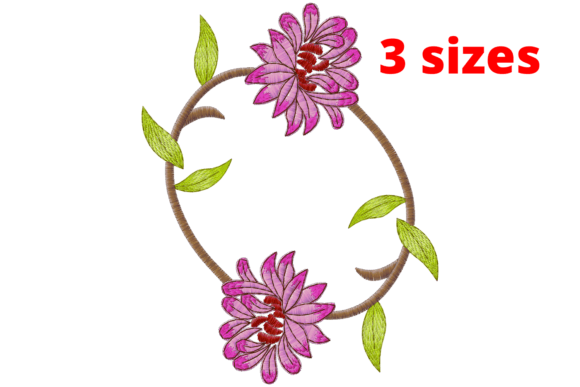
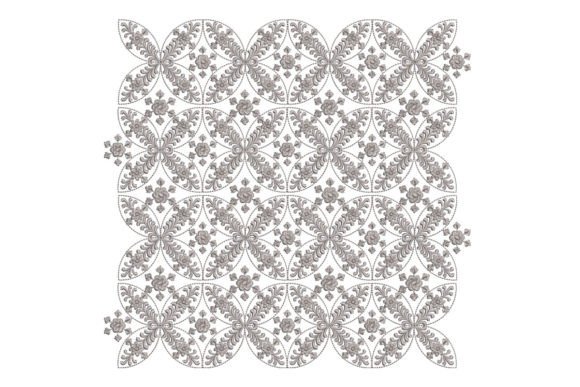
The first thing you notice about this floral cushion embroidery design is its unique character. It doesn’t shout for attention; instead, it whispers sophistication. The mood is undeniably fresh, offering a touch of elegance that feels both handmade and refined. Whether you are aiming for a romantic vibe for a wedding gift or a soft, playful aesthetic for nursery decor, this design adapts beautifully. It feels classic yet current, avoiding the trap of looking dated or overly complex.
For a personalized gift shop owner, visual appeal is everything. This design photographs exceptionally well. The interplay of light and shadow in the floral elements creates depth, which is crucial for creating engaging product listings. When I stitched a test sample, the result was a finished product that looked expensive and carefully curated. It captures that elusive "handmade quality" that buyers are willing to pay a premium for, fostering an immediate emotional connection.
Versatility Across Product Categories
While the name suggests its primary home is in the Bedroom category, limiting this design to pillow covers would be a mistake. In my testing phase, I explored how this embroidery file performs on various substrates. Here is where the true value for an Etsy seller or craft fair vendor lies:
- Pillow Covers and Cushions: Naturally, this is the flagship application. The border style frames the fabric perfectly, adding a professional finish to linen or cotton covers.
- Wedding Gifts: The elegant floral motifs make it ideal for heirloom-quality keepsakes. Imagine this stitched onto a ring bearer’s pillow or a commemorative throw for a newlywed couple.
- Baby Embroidery: With the right thread colors, this design softens beautifully for nursery items. It works well on blanket embroidery, adding a gentle, personalized touch without being overly juvenile.
- Kitchen and Dining: I tested this on an embroidered towel and even a canvas apron. The design holds up well, transforming everyday utility items into cherished handmade products.
- Tote Bags: For a custom embroidery project, placing this on a sturdy canvas tote creates a chic, boutique-style accessory that appeals to a wide demographic.
This versatility means you can create a cohesive collection for your small shop product lineup, using one digital embroidery file to generate multiple revenue streams.
Technical Considerations for Professional Results
Beauty aside, a design is only as good as its stitch-out. As experienced makers know, the difference between a amateur look and a professional custom embroidery piece often comes down to preparation. Here are my practical notes from the testing bench:
Fabric and Stabilizer Selection
The success of this design heavily depends on your choice of stabilizer and fabric. Because the design features delicate floral details, using a cut-away stabilizer is recommended for stretchy fabrics like jersey or knits, especially if you are making baby clothes. For woven cottons or linens used in pillow covers, a tear-away stabilizer usually suffices, but always test on scrap fabric first. I found that heavier fabrics with significant fabric texture, such as thick terry cloth towels, required careful hooping to prevent puckering around the denser areas of the pattern.
Thread Colors and Contrast
One of the most critical steps is checking thread color contrast. On light fabrics, pastel threads create a subtle, elegant look that fits the "freshness" described in the product details. However, on dark fabrics, you must ensure your threads have enough brightness to pop. I highly recommend creating a printable mockup or stitching a small sample on both light and dark swatches before committing to a large batch of orders. This prevents the disappointment of a design getting lost in the background.
Hoop Size and Stitch Density
Before you begin, confirm the hoop size required for the specific version of the file you purchase. Since I do not have the exact specifications here, you must check the provider’s details. Ensure your machine’s hoop accommodates the full width of the border. Additionally, review the stitch density. If the density is too high for lightweight fabrics, you may experience perforation or stiffness. Adjusting your tension settings slightly can often mitigate this, but knowing the density beforehand helps you choose the right weight of fabric.
Navigating Potential Challenges
While Cushion Design is robust, there are scenarios where you should proceed with caution. Delicate details can sometimes get lost if the thread quality is poor or if the needle is dull. Always use a fresh needle appropriate for your fabric type. Furthermore, be mindful of curved surfaces. Stitching this border on a highly curved item, like a rounded cushion insert that is already stuffed, can lead to distortion. It is best to embroider the cover flat before assembly.
If you are planning to sell these as commercial embroidery products, verify the licensing terms. Most designers allow the sale of finished physical goods, but you must confirm this before listing items on your store. Never assume; always read the license included with your digital embroidery file.
Enhancing Giftability and Customer Trust
Why does this specific design matter for your business? It enhances giftability. A plain pillow is a commodity; a pillow with this unique floral border is a personalized gift. It signals to the buyer that thought and effort went into the creation. This perceived value builds customer trust and encourages repeat business. When a customer receives a wedding gift or a baby item that looks professionally finished, they are more likely to leave positive reviews and share photos on social media.
For baby product creators and wedding gift designers, this design offers a reliable way to produce high-margin items. The emotional appeal of flowers—symbolizing growth, beauty, and nature—resonates deeply with buyers looking for meaningful presents. By using this design, you are not just selling Embroidery; you are selling a feeling of warmth and care.
Final Verdict for Makers
In conclusion, Cushion Design is a standout addition to any embroidery library. It balances aesthetic charm with technical feasibility, provided you follow best practices for stabilizing and hooping. Whether you are creating an embroidered towel for a housewarming or a luxury pillow cover for a bridal shower, this design delivers. Remember to test on scraps, check your thread colors, and respect the nuances of different fabrics. With careful execution, this floral border will become a staple in your portfolio, helping you create beautiful, memorable finished products that customers will treasure for years to come.